Forest Bathing Through the Seasons: The Year-Round Practice
Forest bathing gets filed under summer — the dappled light, the green canopy — while the practice’s regulars know each season offers a different medicine: summer’s abundance, autumn’s release, winter’s clarity, spring’s return. The year-round practice guide.
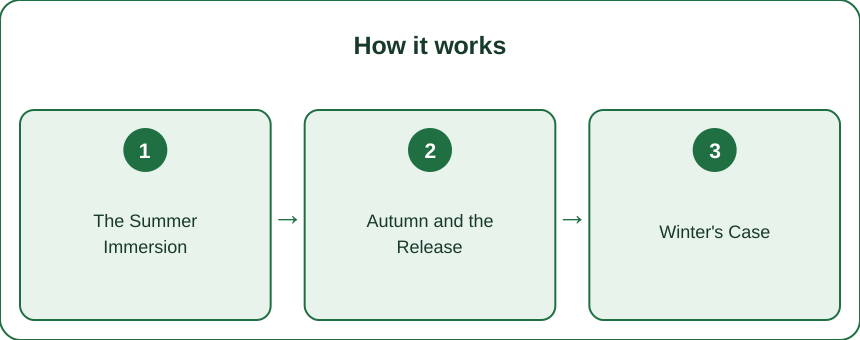
The Summer Immersion
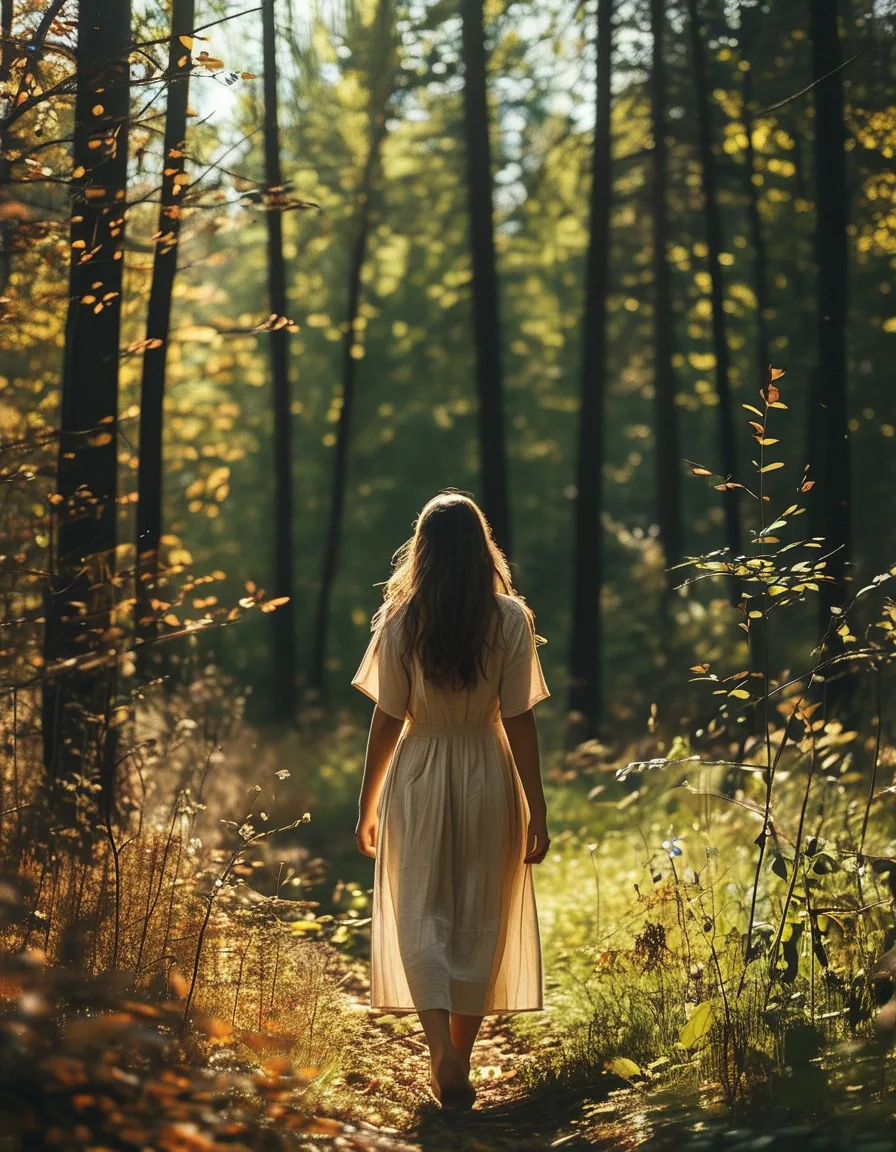
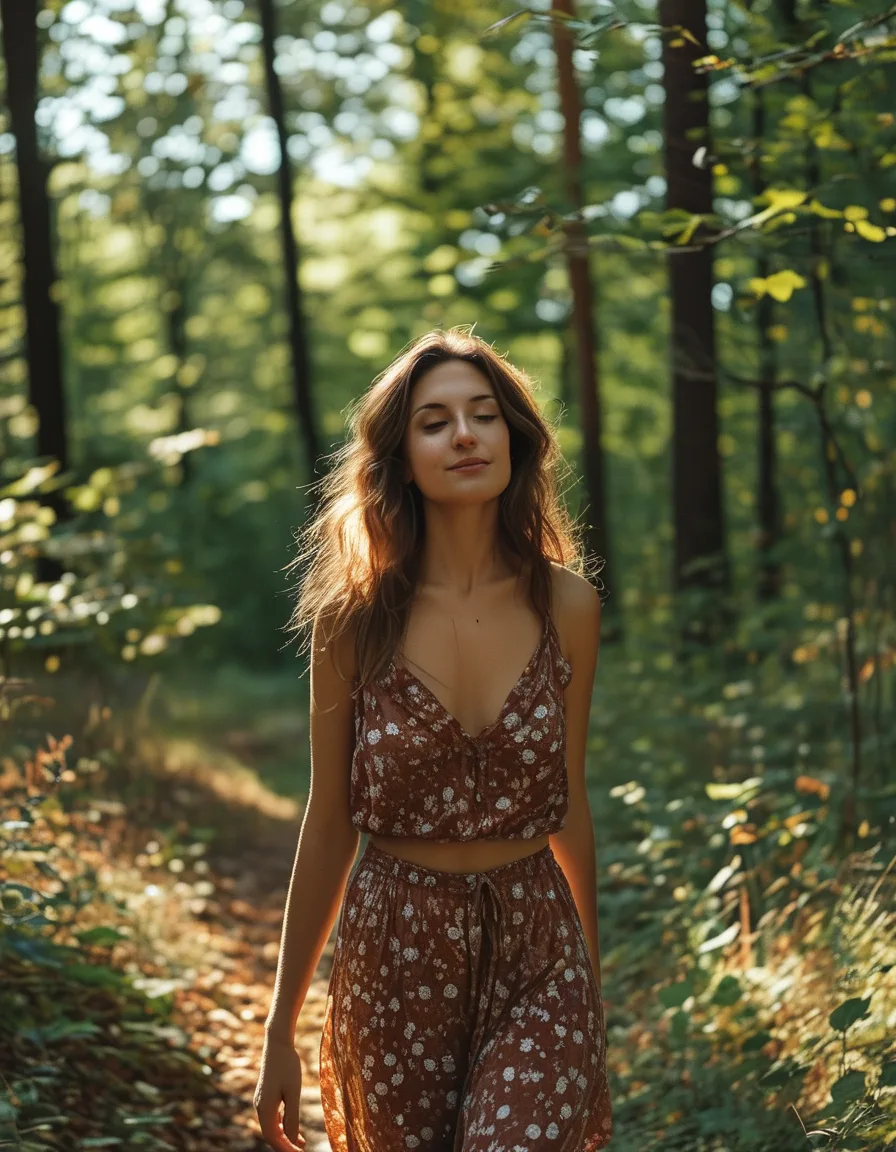
The high season’s menu: the full sensory buffet (the canopy’s green light, the layered birdsong, the warm-earth and leaf-oil scents — summer is forest bathing’s easiest on-ramp; the senses barely need inviting), the phytoncide peak (the tree-emitted compounds behind the immune-marker research run highest in warm months — the science’s summer argument), the practical notes (early morning beats midday — the cool hours carry the birdsong and dodge the heat; the shade makes forest walks summer’s most comfortable outdoor practice), and the summer-specific practices (the barefoot grass minutes, the stream-sound sit, the canopy-gazing lie-down that feels ridiculous and works completely).
Autumn and the Release
The turning season: the sensory shift (the color show overhead, the leaf-crunch percussion underfoot, the mushroom-and-damp-earth scent palette — autumn is the practice’s most cinematic quarter), the psychological resonance (the release-and-letting-go seasonal metaphor lands harder outdoors — the practice’s reflective wing peaks as the trees demonstrate), the gear honesty (the layers-and-waterproof-shoes tier begins — comfort keeps attention on the forest, not the feet), and the light note (the earlier sunsets move practice into golden hour by default — autumn’s scheduling gift).
Winter’s Case
The unexpected best season: the clarity argument (bare trees open sightlines and quiet the woods — winter forests offer a stillness summer never manages; the practice’s meditative core lands deepest here), the crowd dividend (the trails empty — the solitude that summer’s popular woods can’t provide), the cold-exposure crossover (the bundled winter walk carries the brisk-air alertness the heat-and-chill world sells separately), the gear threshold (warm layers, waterproof boots and the shortened session — twenty winter minutes deliver what forty summer ones do, at higher gear stakes), and the season’s mental-health timing (the dark months need the daylight-and-nature dose MOST — the winter forest walk is light therapy with a soundtrack of quiet).
Spring and the Practice Year
The return and the rhythm: spring’s show (the daily-changing green, the returning birdsong learned via the birding-by-ear chapter, the first-warm-day euphoria that needs no technique), the allergy amendment (pollen season’s timing rules from the allergy chapter apply — the post-rain forest walk is spring’s clean window), the year-round architecture (the weekly forest hour as standing appointment — the practice compounds like every practice; the seasonal variety IS the retention plan), and the micro-dose honesty (the city-park version carries most of the benefit most of the time — the research’s green-space findings never required wilderness; the season changes the park too). Four seasons, one practice, no off-season.
Summer for the senses, autumn for release, winter for clarity, spring for return. Forest bathing has no off-season — the woods just rotate the medicine.
Keep Reading
This article is for general informational purposes only and is not medical advice. Always consult a qualified health professional for guidance specific to you.