Why the Woods Feel More Alive in the First Weeks of Autumn
Quick Answer: Early autumn woodland engages the senses more than summer woodland because cool, damp air carries sound further and holds scent molecules closer to the ground, the thinning canopy lets light reach the forest floor at low angles, and animal activity peaks with the approach of winter. The effect is real and physical, not just seasonal sentiment.
If September walks feel richer than August ones, here is why.
Why does sound travel differently?
Cool air near the ground bends sound downward. In summer, the ground is warmer than the air above it and sound waves refract upward, away from you. In autumn, temperature inversions are common — cool air sits below warmer air — and sound refracts back toward the ground. The same bird call carries noticeably further.
Humidity helps too. Damp air absorbs high frequencies less than very dry air, so birdsong and rustling retain more of their detail across distance.
The canopy stops absorbing. A full summer canopy is an effective sound absorber. As leaves thin and dry, they reflect more than they absorb, which makes woodland sound more open and more reverberant.
And there is genuinely more to hear. Leaf litter changes the acoustics of the forest floor entirely — every small animal movement becomes audible in a way it simply is not on soft green ground.
Why does it smell different?
Cool, still air holds scent low. Volatile compounds released by soil, fungi, and decaying leaves disperse upward in warm air and stay near the ground in cool air. Standing still on a cool morning puts you in the densest part of that layer.
Decomposition is at its peak. Late summer and early autumn are when soil fungal activity is highest, and geosmin — the compound responsible for the characteristic earthy smell — is a bacterial by-product that is most abundant in damp, warming soil.
Trees change what they release. Conifers emit different terpene profiles as temperatures shift, and the pine scent of an autumn woodland is genuinely a different mix to the summer one.
Your nose works better in cool damp air. Olfactory receptors function more effectively with adequate mucosal moisture, and very dry or very hot air reduces sensitivity. This is why the same wood smells stronger at 12C than at 26C.
What nobody tells you about early autumn forest walking
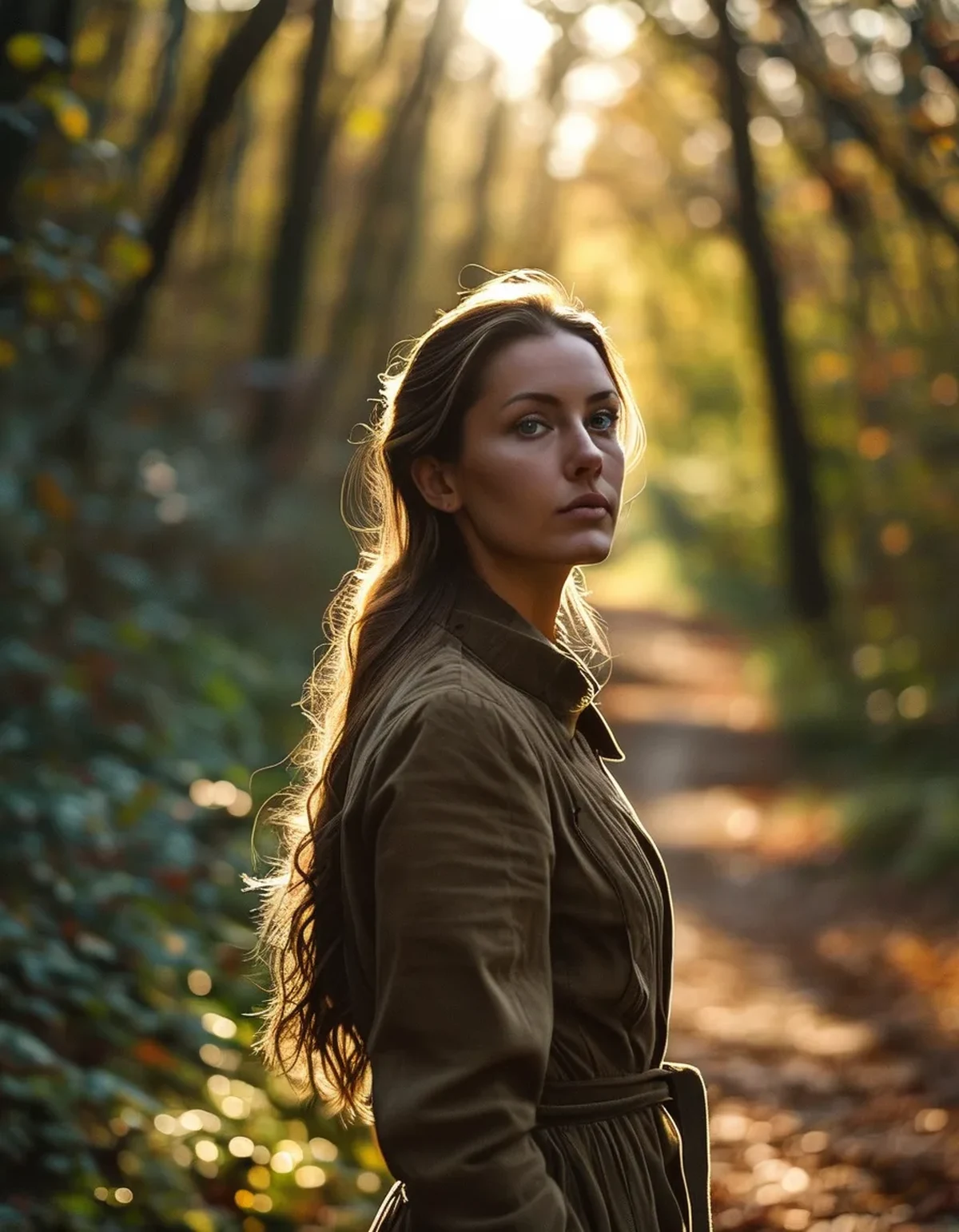
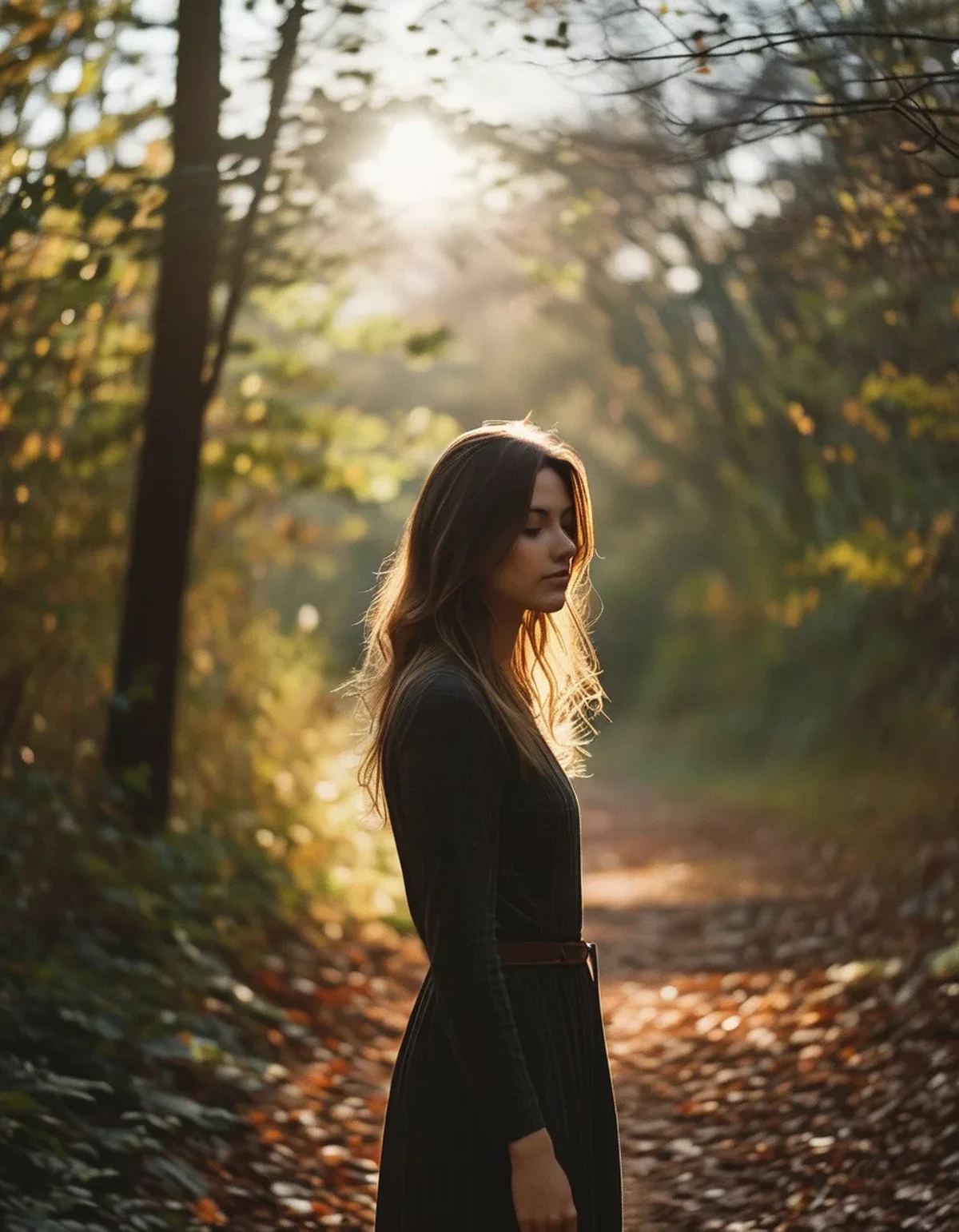
The light is doing most of the emotional work. A lower sun angle means light comes through the canopy sideways rather than from above, creating the long shafts that people photograph endlessly. It is a geometric fact rather than an aesthetic accident, and it lasts roughly six weeks.
Fungi appear before the leaves turn. The most interesting few weeks for woodland fungi in many regions is late August through September, well before the colour change everyone waits for.
Wildlife is more visible, not more abundant. Animals are more active as they prepare for winter, and the thinning understory means you can see further.
Twenty minutes is the threshold. Research on time spent in nature fairly consistently finds meaningful stress-marker changes at around twenty minutes, with diminishing additional benefit beyond a couple of hours. A short walk genuinely counts.
Standing still outperforms walking for most of the sensory effects described here. The practice is called forest bathing rather than forest walking for a reason, and five minutes stationary reveals more than an hour of steady pace.
And the least obvious one: phone in a pocket, not in a hand. The attention-restoration effect depends on soft fascination — letting attention wander — and a screen reliably prevents it.
How should you actually spend the time?
Go early, when the temperature inversion is strongest. The first two hours after sunrise are when sound carries furthest and scent sits lowest.
Stop three times for three minutes each. Standing still with eyes closed does more for sensory engagement than any amount of covered distance.
Pick one sense per stop. Listening only, then smelling only, then looking only. Isolating them is what makes each one noticeable.
Go on damp days rather than avoiding them. The day after rain is the single best condition for woodland scent and sound, and it is the day most people stay home.
Dress for standing still, not for walking. The most common reason people cut a forest bathing session short is getting cold while stationary, which requires roughly one layer more than a walk of the same length.
Twenty minutes, twice a week, is a realistic and evidence-supported target. It fits in a lunch break for anyone within reach of a park, and consistency matters more than duration.
TL;DR:
- Cool air near the ground bends sound downward, so autumn woodland genuinely sounds fuller.
- Scent compounds stay low in cool still air, and soil fungal activity peaks right now.
- Low sun angles through a thinning canopy produce the light everyone photographs — it lasts about six weeks.
- Standing still beats walking for the sensory effects; three stops of three minutes changes a whole walk.
- Twenty minutes, twice a week, is the realistic threshold — and the day after rain is the best condition of the year.
The woods are not more beautiful in autumn by coincidence. The physics of cool air is doing most of it.
Keep Reading
This article is for general informational purposes only and is not medical advice. Always consult a qualified health professional for guidance specific to you.