Forest Bathing With Kids: How to Actually Make It Work (Not a Silent Meditation Walk)
Quick Answer: Forest bathing with kids works best when you drop the ‘silent, slow meditation’ framing entirely and let curiosity lead — following what a child notices, touches, or asks about is itself the mindful, sensory-focused practice, just in a louder, more stop-and-go form.
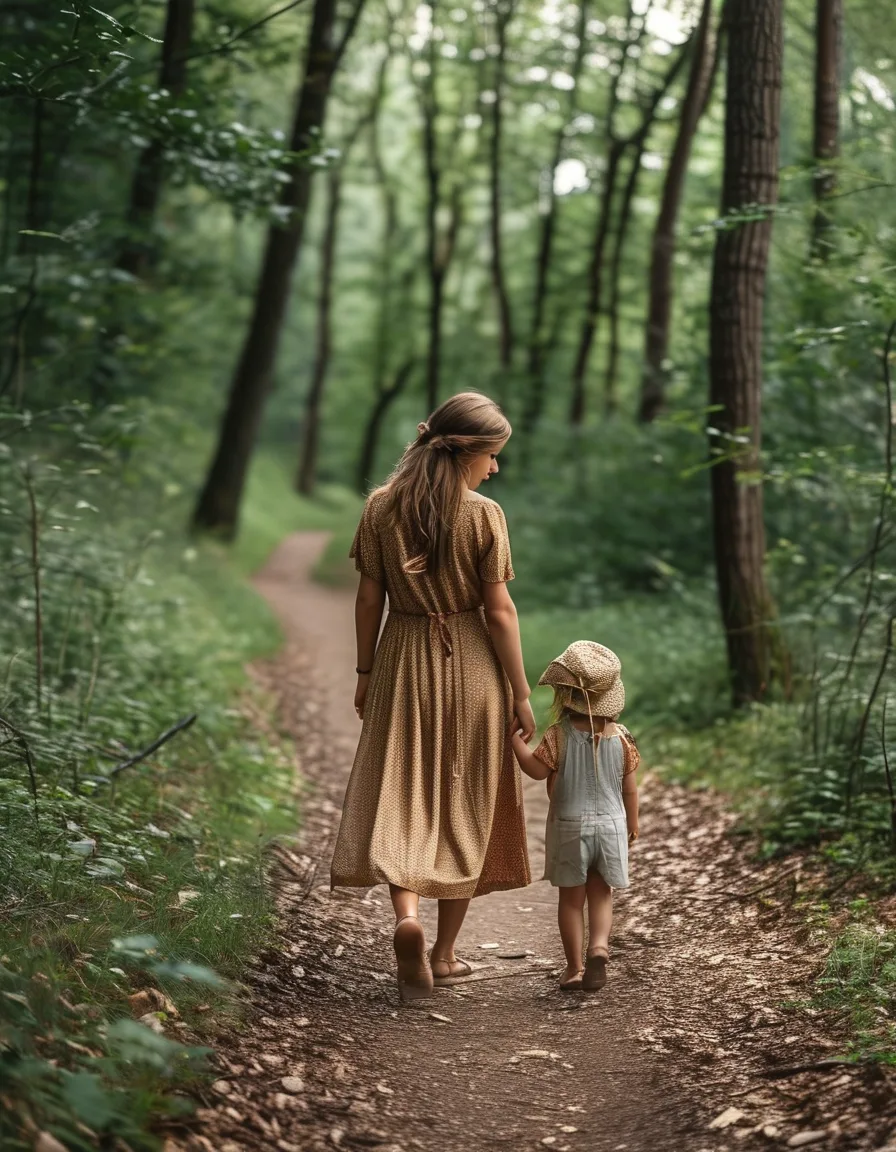
The classic forest bathing image — slow, silent, deeply internal — falls apart the moment a 6-year-old spots a beetle and needs to talk about it immediately. That’s not a failed session. That’s actually the practice, just wearing a different outfit.
Does forest bathing even work if it’s not quiet and slow?
Yes — the core mechanism of forest bathing is sensory engagement with a natural environment, not silence specifically. A child narrating every mushroom and bird call is engaging multiple senses just as actively as a silent adult walker, arguably more so.
How do you actually structure a family forest bathing session?
Pick a short, low-pressure loop (20-30 minutes, not a full hike) and let the child set the pace rather than a fixed itinerary. Bring one simple sensory prompt — ‘find three different textures’ or ‘listen for the loudest and quietest sound’ — which gives curiosity a light structure without turning it into a checklist rush.
What Nobody Tells You About Kids and Nature Attention Spans
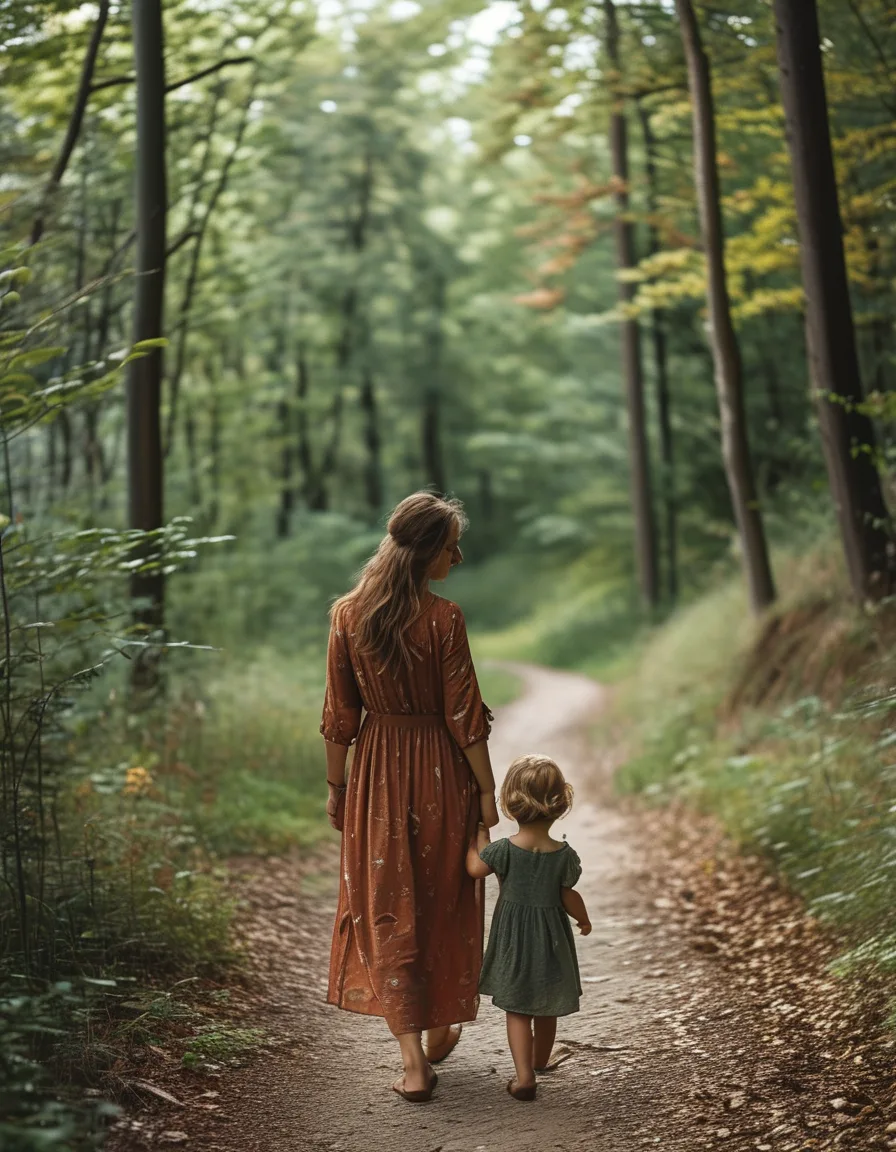
Kids’ attention in nature isn’t shorter than adults’ — it’s just differently distributed, jumping between micro-details (an ant, a leaf shape) rather than holding one broad, slow awareness. That’s not a shorter attention span failing to meditate; it’s a different, equally valid form of the same sensory presence forest bathing is built around.
What should parents actually do during the walk?
Mostly follow, not lead. Resist the urge to narrate or educate constantly — let a found stick or unusual rock get the child’s full attention for as long as it holds it, even if that’s five straight minutes on one spot. That stillness-within-stopping is closer to true forest bathing than a paced walk with commentary.
FAQ: Forest Bathing With Kids Questions, Answered
What age is forest bathing appropriate for with kids?
Essentially any age that can walk comfortably outdoors — toddlers engage sensorially just as readily as older kids, often even more so before self-consciousness sets in.
How long should a family forest bathing session last?
20-30 minutes is realistic for younger children; older kids and teens can often sustain 45-60 minutes, especially with a loose sensory prompt to anchor attention.
Does forest bathing help kids with anxiety or big emotions?
Early research on nature exposure broadly supports reduced stress markers in children, similar to adults, though formal forest-bathing-specific studies in kids are still limited — anecdotally, many parents report a noticeable calming effect.
TL;DR:
- Forest bathing with kids works through curiosity-led sensory engagement, not silence
- Keep sessions short (20-30 min) with one simple sensory prompt, not a fixed itinerary
- Kids’ scattered attention across small details is a valid form of nature presence, not a failure to meditate
- Follow the child’s pace rather than narrating or leading constantly
Drop the meditative-adult image entirely — a loud, stop-and-go walk following a curious kid is forest bathing too.
Keep Reading
This article is for general informational purposes only and is not medical advice. Always consult a qualified health professional for guidance specific to you.