Forest Bathing Isn't Just Hiking With a Fancier Name — Here's the Actual Difference
Forest bathing sounds like hiking rebranded with a more appealing name, and the skepticism is reasonable, but the two practices differ in pace, intention, and outcome in ways that actually matter once the distinction gets explained clearly.

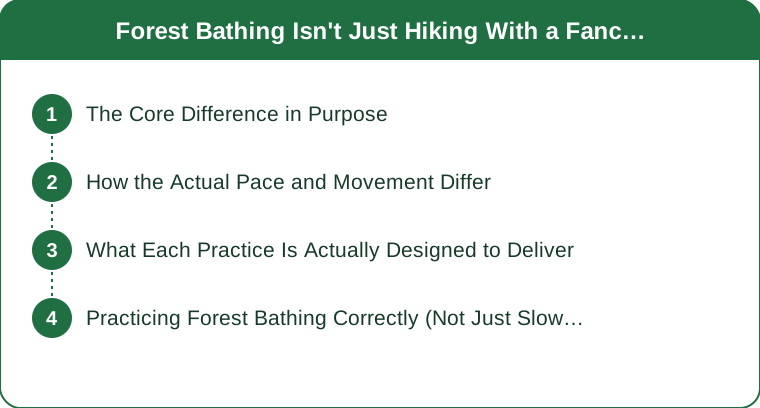
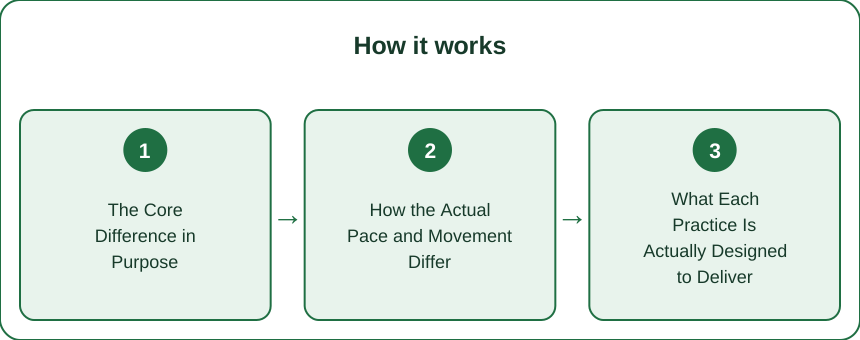
The Core Difference in Purpose
The fundamental distinction: the the-hiking-is-destination-oriented (hiking generally being oriented around covering distance, reaching a destination, or achieving a specific physical exertion goal, with the surrounding environment often functioning as a backdrop to that goal), the the-forest-bathing-is-process-oriented (forest bathing having no distance or destination goal at all, oriented entirely around the sensory experience of being present in a natural setting rather than any physical achievement), the the-forest-bathing-origin-and-intent (forest bathing originating from a specific Japanese practice, shinrin-yoku, developed explicitly as a stress-reduction and nervous-system practice rather than as a form of exercise).
How the Actual Pace and Movement Differ
The physical difference: the the-forest-bathing-extremely-slow-pace (forest bathing typically involving movement at an intentionally very slow pace, often covering only a fraction of a mile in an hour, compared to a hiking pace built around covering meaningful distance), the the-frequent-stopping-in-forest-bathing (forest bathing involving frequent, extended pauses to engage individual senses deliberately, like touching bark or listening to specific sounds, rather than continuous walking), the the-hiking-pace-variability (hiking pace varying by trail difficulty and personal goals but still generally maintained as continuous, purposeful movement rather than deliberately interrupted for sensory engagement).

What Each Practice Is Actually Designed to Deliver
The distinct outcomes: the the-forest-bathing-nervous-system-focus (forest bathing being specifically studied for its effects on stress hormone reduction and nervous system regulation, with the slow pace and sensory focus being central to that mechanism rather than incidental to it), the the-hiking-cardiovascular-and-strength-focus (hiking delivering genuine cardiovascular and muscular endurance benefits that forest bathing’s slower pace doesn’t meaningfully provide), the the-both-offer-nature-exposure-benefits (both practices sharing the general mental health benefits associated with simply spending time in a natural, green environment, even though the specific mechanisms and additional benefits differ).
Practicing Forest Bathing Correctly (Not Just Slow Hiking)
The actual technique: the the-sensory-engagement-as-the-core-activity (deliberately engaging each of the five senses in turn during a session, rather than simply walking slower than usual while thinking about other things), the the-phone-and-distraction-removal (removing phone use and other distractions specifically during the practice, since divided attention undermines the sensory presence the practice is built around), the the-no-fitness-goal-mindset-shift (consciously letting go of any fitness or distance goal for the duration of the session, since even an internal drive to cover ground works against what forest bathing is actually meant to accomplish), and the frame (forest bathing and hiking differ in purpose, pace, and outcome — hiking targets physical distance and cardiovascular benefit while forest bathing targets nervous system regulation through deliberate sensory presence at a much slower pace, and doing forest bathing correctly means actually engaging the senses rather than just walking slowly.)
Forest bathing can sound like hiking rebranded with a more appealing name, but the two differ in purpose, pace, and outcome in ways that hold up under real scrutiny. Hiking is generally oriented around covering distance or reaching a destination, with the surrounding environment functioning as a backdrop to that physical goal, while forest bathing, which originates from the Japanese practice shinrin-yoku, has no distance goal at all and is oriented entirely around sensory presence in a natural setting, typically moving at an intentionally slow pace that might cover only a fraction of a mile in an hour, with frequent extended pauses to deliberately engage individual senses like touching bark or listening to specific sounds. The two practices deliver genuinely different benefits as a result, hiking provides real cardiovascular and muscular endurance gains that a slow forest bathing pace doesn’t meaningfully replicate, while forest bathing has been specifically studied for its effects on stress hormone reduction and nervous system regulation, with the slow pace and sensory focus functioning as the actual mechanism rather than an incidental detail. Doing forest bathing correctly, rather than just walking slower than usual while thinking about other things, means actually engaging each sense in turn, removing phone use and other distractions during the session, and consciously letting go of any fitness or distance goal, since even an internal drive to cover ground works against what the practice is meant to accomplish.
Keep Reading
This article is for general informational purposes only and is not medical advice. Always consult a qualified health professional for guidance specific to you.