What to Do for Forest Bathing Benefits When You Don't Live Near an Actual Forest
Quick Answer: A meaningful portion of forest bathing’s documented stress-reduction and mood benefits comes from slow, phone-free, sensory-focused time in any sufficiently green space — not exclusively from being in a genuine dense forest — meaning a well-chosen urban park, botanical garden, or even a tree-lined street practiced with the same slow, attentive approach can provide a substantial share of the benefit for someone without regular forest access.
The specific practice and attention matter as much as the specific location’s forest authenticity.
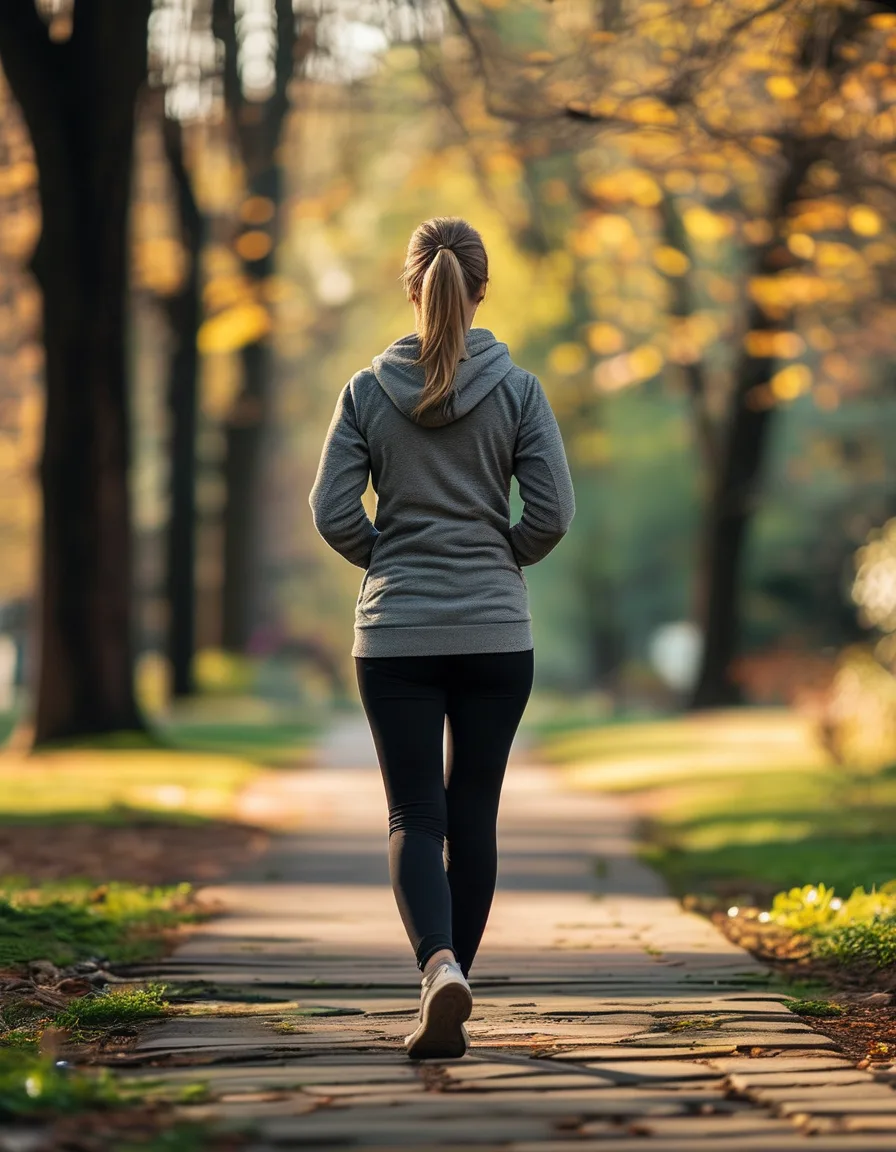
What does the research suggest is actually driving forest bathing’s measured benefits?
Studies on forest bathing (shinrin-yoku) measure benefits like reduced cortisol, improved mood, and lower blood pressure, and the mechanisms proposed include exposure to green, natural visual environments, phytoncides (compounds released by trees, though their specific human effect is still researched), and simply the slow, non-goal-oriented, sensory-focused nature of the practice itself.
Several of these mechanisms — the green visual environment and the slow, mindful practice specifically — are present in many urban green spaces too, not exclusively in dense, remote forest settings, which is why researchers increasingly frame benefit as partially accessible outside true forest environments.
How much of the benefit realistically transfers to an urban park versus an actual forest?
Comparative research on urban green space time versus forest-specific time shows meaningful stress-reduction and mood benefit from both, with true forest settings showing somewhat stronger effects in some studies, particularly for measures tied to phytoncide exposure specifically.
This suggests an urban park delivers a substantial, genuinely meaningful share of the overall benefit rather than none at all, even if a true forest setting may still hold a modest edge for someone able to access one regularly.
What Nobody Tells You About Urban Forest Bathing Alternatives
Nobody tells you that a small, well-chosen pocket park with mature trees can outperform a larger but more manicured, less tree-dense green space for this specific purpose.
Nobody tells you that consistency (regular visits) matters more for measured benefit than the size or wildness of the green space itself.
Nobody tells you that even a balcony garden or a window view of trees shows some measurable stress-reduction benefit in limited research, suggesting the effect exists on a spectrum rather than requiring a specific minimum green space size.
Is there a specific practice modification that makes an urban space work better for this purpose?
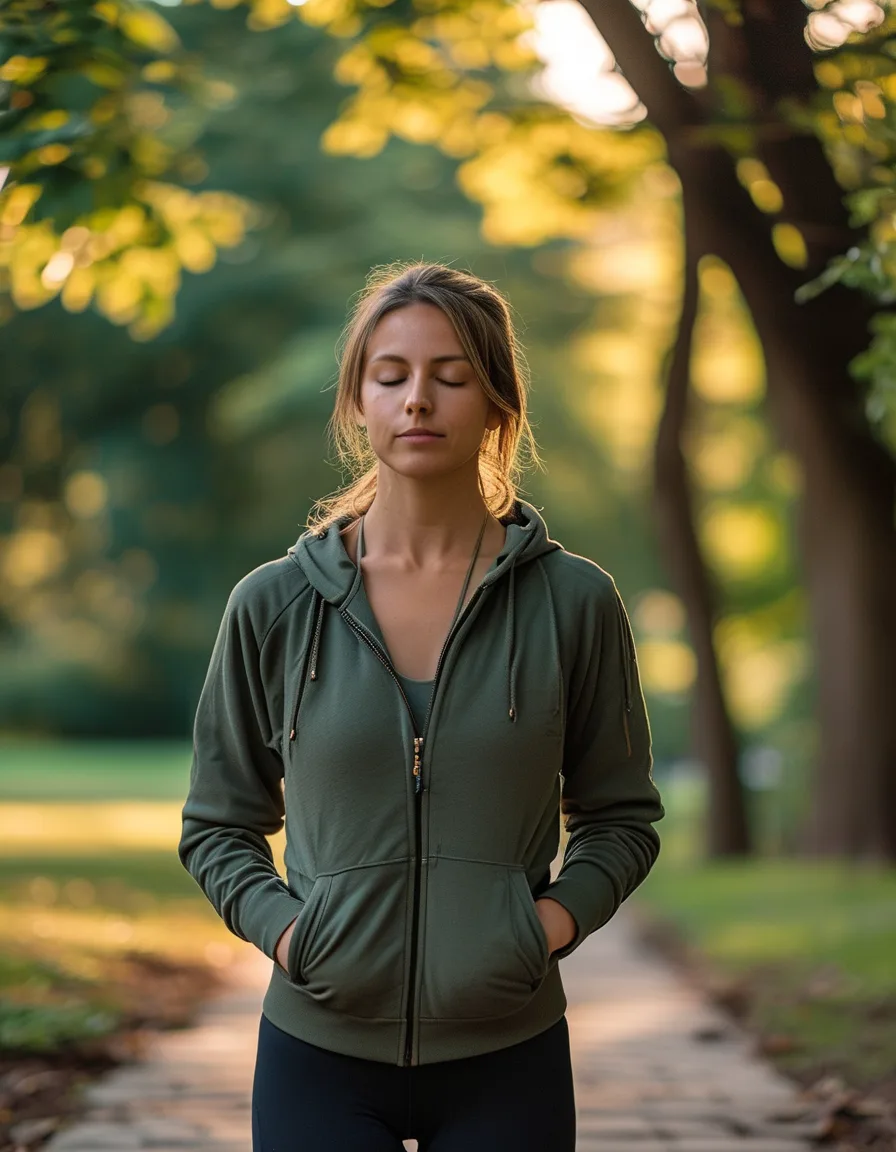
Deliberately slowing down, putting the phone away, and focusing attention on specific sensory details (the texture of bark, the sound of wind in leaves, the smell of the air) — the core forest bathing practice itself — matters more in an urban setting specifically, since it’s easier to unconsciously rush through a smaller urban green space than a larger forest that naturally invites a slower pace.
Deliberately choosing a route through the densest, most tree-covered section of an available urban park, and setting a specific minimum time (20-30 minutes is commonly recommended) rather than a quick walk-through, both help an urban space more closely replicate the true forest bathing experience.
FAQ: Urban Forest Bathing Alternative Questions, Answered
Is a botanical garden a good substitute for forest bathing?
Yes — botanical gardens often have denser, more varied plant life than a typical urban park, making them a strong urban-accessible option for this practice.
Does time of day affect the benefit in an urban green space?
Quieter times with fewer crowds and less ambient urban noise (early morning is commonly recommended) tend to support a more effective, immersive practice regardless of setting.
How often should someone practice this in an urban setting to see meaningful benefit?
Most research protocols use weekly or more frequent sessions; occasional, inconsistent visits are less likely to produce the same measured stress-reduction benefit as regular practice.
TL;DR:
- Much of forest bathing’s benefit comes from slow, sensory-focused practice in any sufficiently green space
- True forests may hold a modest edge in some studies, but urban parks deliver substantial, genuine benefit too
- Choosing the densest, most tree-covered section of an available space improves the urban version’s effectiveness
- Regular, consistent practice matters more than the size or wildness of the specific green space used
Forest access helps, but it isn’t a strict requirement for getting a meaningful share of the benefit.
Keep Reading
This article is for general informational purposes only and is not medical advice. Always consult a qualified health professional for guidance specific to you.