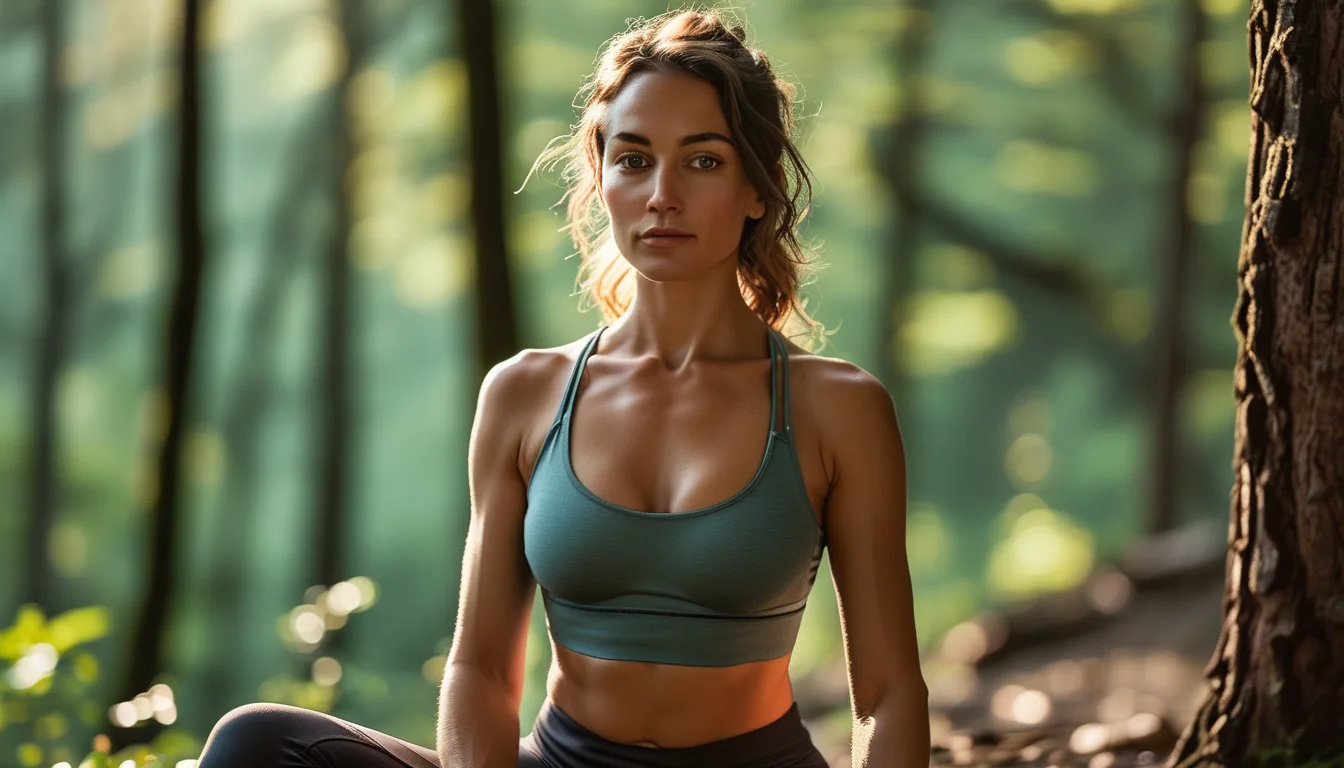
Does Forest Bathing Actually Work If You Don't Have Access to a Real Forest?
Quick Answer: Research on forest bathing (shinrin-yoku) shows meaningful stress-reduction and mood benefits even in smaller urban green spaces like parks with a decent tree canopy, though the effect size tends to be somewhat smaller than in a genuine forest — meaning a nearby park is a legitimate substitute, not a consolation prize, if a real forest isn’t accessible.
Forest bathing research largely originated in actual forest settings, which leads a lot of people to assume it doesn’t count without deep woods access. The research on smaller green spaces tells a more encouraging story.
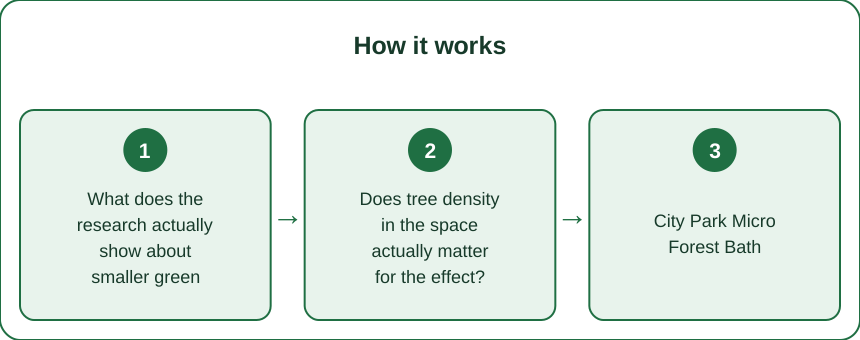
What does the research actually show about smaller green spaces?
Multiple studies on urban green space exposure show measurable reductions in cortisol (a stress hormone) and improvements in reported mood even from relatively brief time in parks with meaningful tree presence, not just old-growth forest settings. The core mechanism — sensory engagement with natural elements — appears to scale down to smaller green spaces reasonably well.
Does tree density in the space actually matter for the effect?
To some degree, yes — spaces with a higher density of trees and more natural sounds (birds, rustling leaves, water if present) tend to show stronger stress-reduction effects than sparse green spaces with more urban noise intrusion. A well-treed city park with some sound buffering from traffic noise still delivers a meaningful, if likely smaller, version of the effect.
City Park Micro Forest Bath: A Practical Approach
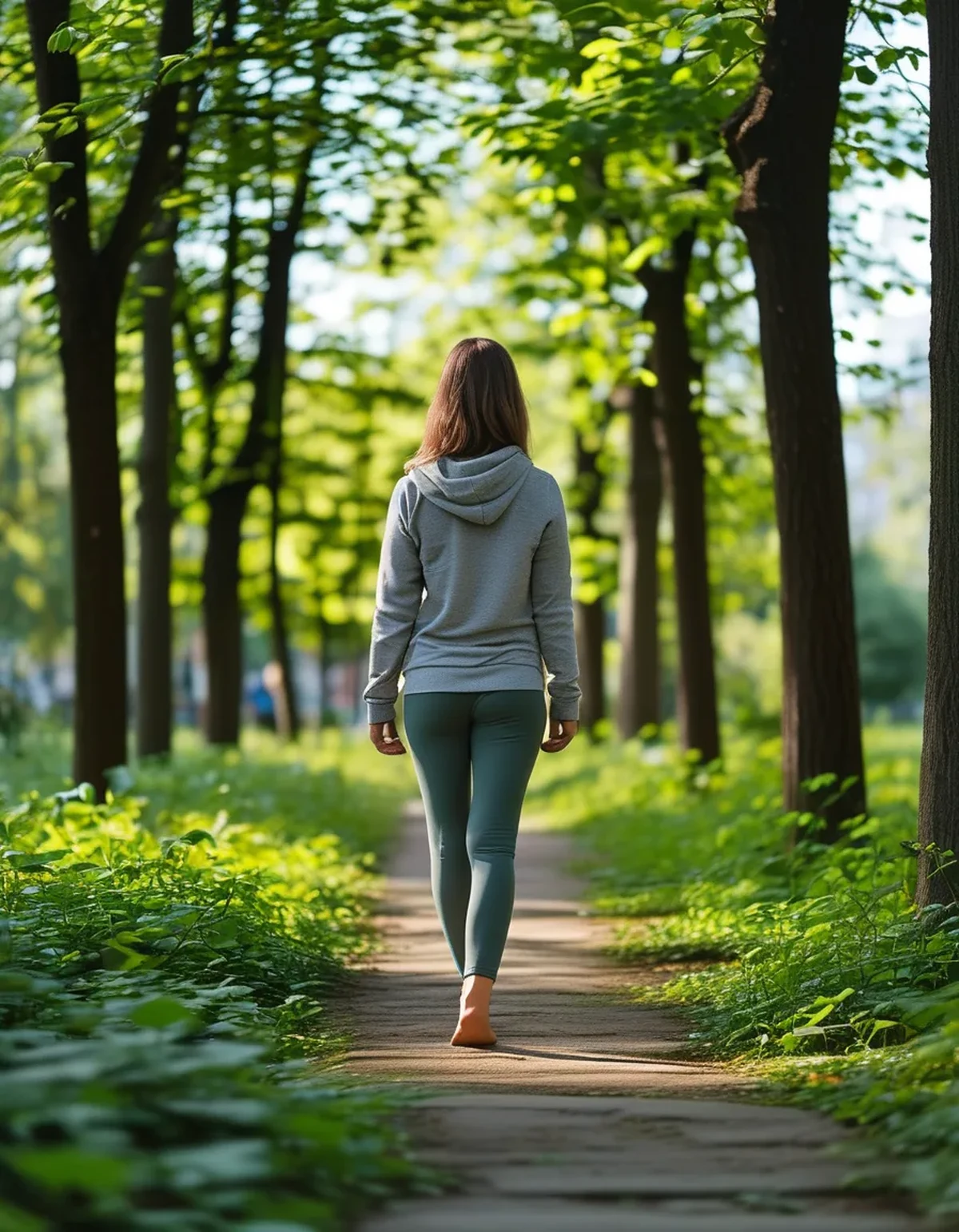
A short, deliberate 15-20 minute walk through the most tree-dense part of a local park, done with phone away and attention on sensory details (bark texture, leaf sounds, dappled light), captures much of forest bathing’s core practice even without forest-scale acreage. The intentional slow, sensory-focused attention matters more than the total size of the green space.
Is there a minimum amount of green space needed for any benefit?
There’s no firm established minimum — even small pocket parks and tree-lined streets show some measurable benefit in research on urban nature exposure, though larger, denser green spaces generally show stronger effects. The practical takeaway is that any reasonably green space is worth using rather than skipping the practice entirely.
How does actual forest bathing differ from just going for a walk?
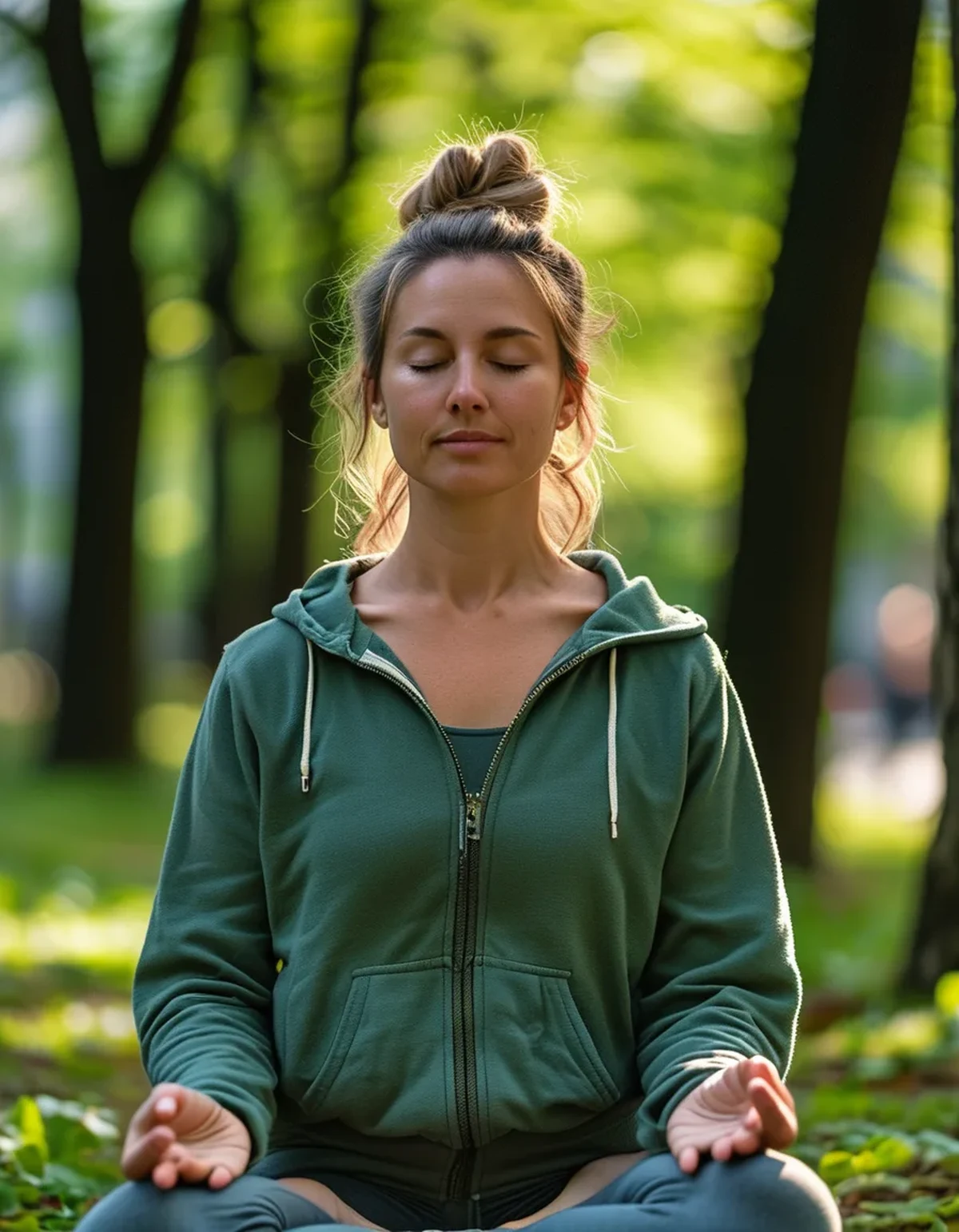
The distinguishing element is intentional, slow, sensory-focused presence rather than exercise-paced walking with a destination in mind — forest bathing is specifically about noticing sensory details slowly, which is a mindset and pace difference more than a location requirement, and this distinction holds in a park just as much as a forest.
FAQ: Forest Bathing Without a Forest, Answered
How long should an urban forest bathing session last to get real benefit?
Most research showing meaningful stress-reduction uses sessions in the 15-40 minute range, with benefits appearing to build somewhat with longer exposure.
Does the time of day change the effect in an urban park?
Early morning or lower-traffic times tend to reduce competing noise, which likely supports the sensory-focused practice more than peak busy hours.
Is forest bathing in a park still worth it if traffic noise is present?
Yes, though finding the quietest, most tree-dense pocket available within the park maximizes the benefit given the noise constraint.
TL;DR:
- Urban green spaces show real, measurable stress-reduction benefits, not just deep forests
- Higher tree density and natural sound tend to strengthen the effect
- A slow, sensory-focused 15-20 minute park walk captures the core practice
- Even small pocket parks show some benefit in research on urban nature exposure
- Intentional slow presence, not location size, is what actually defines forest bathing
If a real forest isn’t accessible, a well-treed local park is a legitimate way to practice, not a lesser substitute.
Keep Reading
This article is for general informational purposes only and is not medical advice. Always consult a qualified health professional for guidance specific to you.